
A Podcast to Learn Mi'kmaw
Michael R. Denny is creating a three-part Mi’kmaw language podcast that moves from basic instruction, to community success stories, to real-life conversational storytelling—all aimed at helping more people hear, learn, and speak Mi’kmaw anywhere in the world.
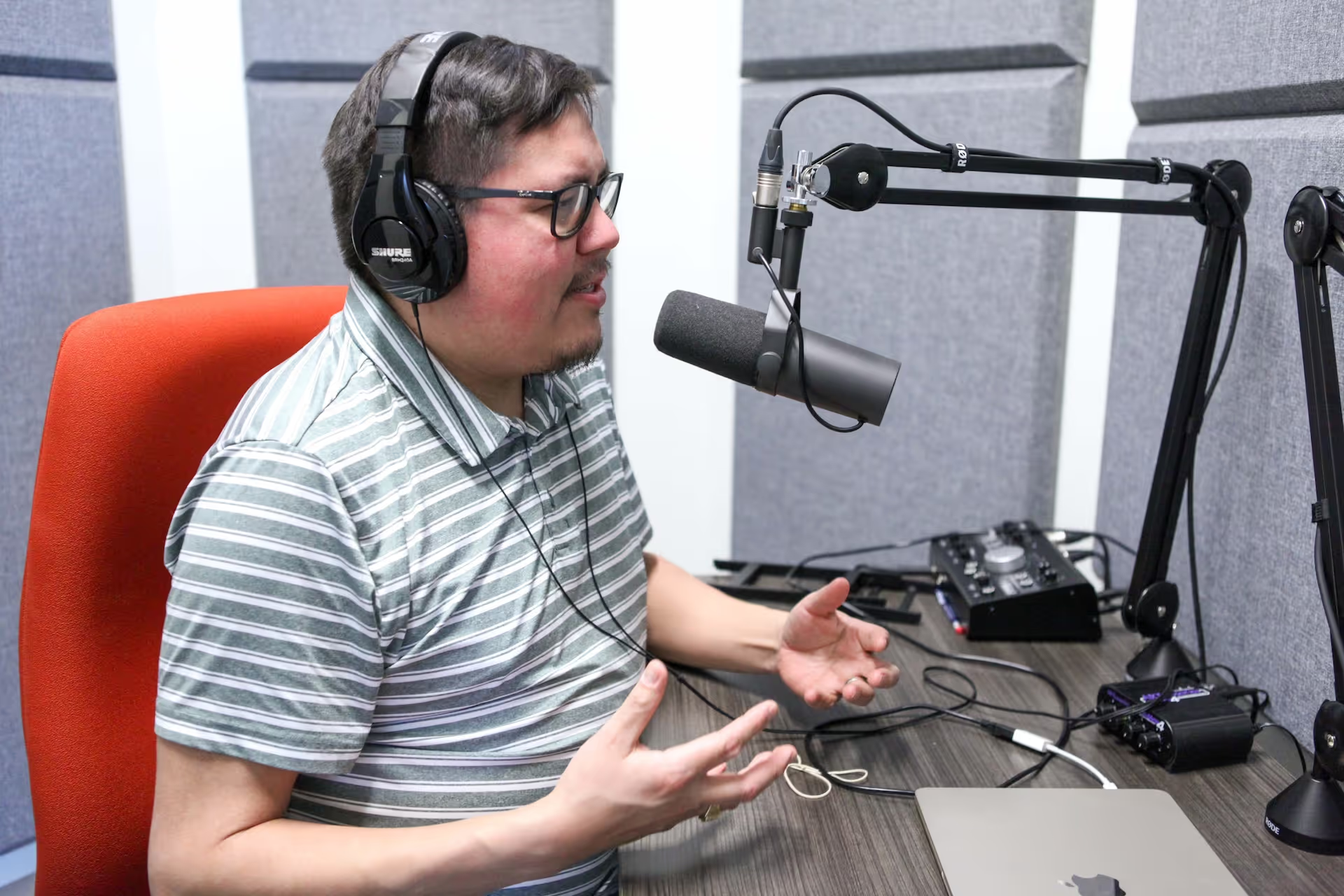
A new Mi’kmaw language podcast is in development, designed not just as a learning tool, but as a living, breathing way to bring the language back into homes, cars, and everyday moments across Mi’kma’ki and beyond.
The project is being led by Michael R. Denny, and is being developed as a three-phase series that moves from structured learning to real-life storytelling entirely in Mi’kmaw.
The goal is simple, but powerful: make the language accessible anywhere, anytime.
Phase One: The foundations of the language
The first phase of the podcast focuses on basic Mi’kmaw language instruction. It is designed to be short and approachable, with fewer than ten episodes covering foundational elements such as:
- Letters of the alphabet
- Sounds, blends, and phonetics
- Key language structures and tenses
- The history of the Mi’kmaw language
The opening episode begins with theory and history, before moving into the building blocks of pronunciation—how sounds like PTK consonants and vowels come together to form words. From there, listeners are gradually introduced to basic conversational Mi’kmaw.
.avif)
Phase Two: Learning from success in the community
The second phase shifts from instruction to inspiration.
This section highlights people and communities who are actively doing strong language revitalization work—sharing their stories, approaches, and what has actually worked for them on the ground.
It is designed to help listeners not only learn Mi’kmaw, but see real examples of people successfully bringing it back into daily life.
One example referenced is community-led initiatives such as radio-style storytelling in places like Listuguj, where Mi’kmaw is spoken regularly in “public digital spaces” like weekly Facebook Live sessions.
The intention is to show that language learning is already happening—and that others can join in.
Phase Three: Language stories in real life
The final phase moves fully into conversational Mi’kmaw storytelling.
This section goes beyond Nova Scotia, drawing in voices from across Mi’kma’ki, including Quebec and New Brunswick. It also connects to historical movements such as the resurgence of pride in being L’nu during the 1980s, in communities across Mi’kma’ki.
This is where the podcast becomes fully immersive - unscripted conversations, lived experiences, and natural flow of language.
As Michael explains:
“The most important part of language learning is you have to hear the language and how it flows. Nothing scripted, just real life.”
This phase is seen as the heart of the project—capturing stories, history, and language together, all delivered in Mi’kmaw.
A living archive for future generations
The podcast is still in production, with recording and editing ongoing. There is no official release date yet, but the goal is to complete recording by September 2026.
When released, it will be available on major platforms such as Apple Podcasts and Spotify, with potential distribution on YouTube as well. The aim is accessibility—something people can listen to while driving, working, or relaxing at home.
As Michael puts it:
“We don’t have this sort of content online—too much of it is on hard drives or stored away and lost. This is a language resource people can access 24/7 anywhere in the world.”
The intended audience is broad: Mi’kmaw people across the world, especially those within the homeland, but also those living away from it. The hope is that the podcast will support learners at every stage of their journey.
“I hope this language work inspires people to listen, to get excited for the next episode, and to enhance their language journey—ultimately helping them become speakers of the language.”
At its core, this project is more than a podcast. It is an effort to make Mi’kmaw language something that is heard daily again—not archived, not forgotten, but spoken, shared, and lived.
.avif)