

Fostering a Safe & Calming Space
Sensory rooms and calming spaces are becoming an important part of schools across Mi’kma’ki and beyond, giving students a quiet place to regulate and reset. They reflect a growing focus on wellbeing and learning environments where every child feels safe and supported.
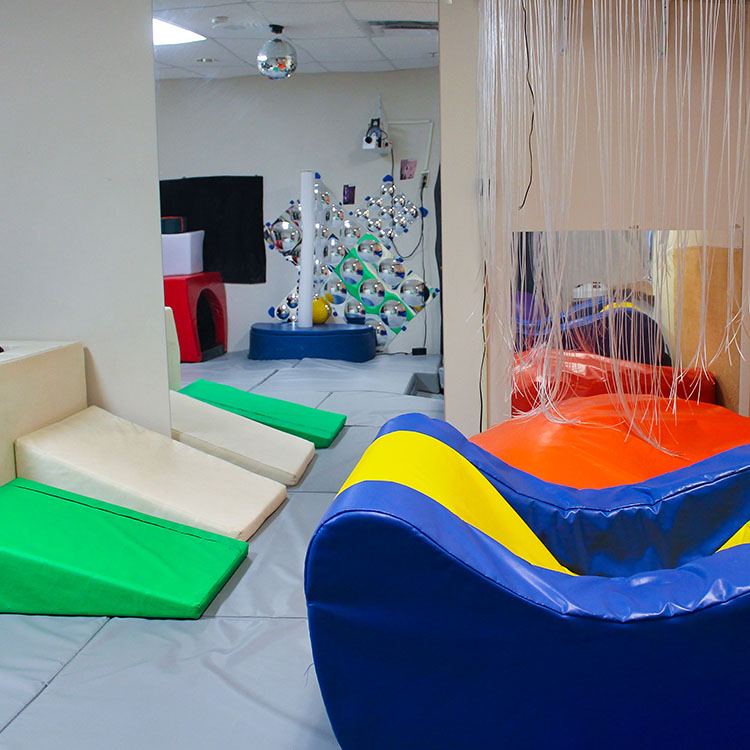
Across Mi’kma’ki, education is continuing to evolve in ways that reflect not only how students learn — but how they experience the school environment.
One of the most meaningful shifts we’re seeing in many of our schools is the introduction of sensory rooms (also often referred to as calming spaces or regulation spaces), designed to support autistic, neurodivergent, and other students who benefit from environments that help them regulate sensory input and emotions.
These spaces are becoming a quiet but important part of school life — intentionally designed rooms where students can step away from overstimulation, reset, and return to learning when they are ready.
Sensory rooms are not about instruction or academic performance. They are about regulation, safety, and support. Soft lighting, reduced noise, comfortable seating, and sensory tools all work together to create a space where students can settle their nervous systems and regain balance.
For many students, especially those who experience sensory overload in busy classroom environments, these spaces can make a real difference in how they move through the school day.
They are not a separation from learning — they are what make learning possible.
This approach, of course, is not unique to Mi’kmaw schools. Across Canada and around the world, education systems are increasingly embracing neurodiversity-affirming and trauma-informed practices. Sensory and regulation spaces are now a growing part of how schools support student wellbeing.
Within our own schools, this fits into a broader understanding of education that focuses on the whole child — emotional, physical, mental, and cultural wellbeing together.
Teachers and support staff often use these spaces in a flexible way: helping students regulate before returning to class, taking short breaks when needed, or simply providing a quiet place to reset during overwhelming moments.
What’s emerging is a more responsive school environment — one that recognizes students are not all the same, and that support does not always look like pushing through difficulty.
Sometimes it looks like pausing. Sometimes it looks like quiet. Sometimes it looks like a room designed simply to breathe again.
At its core, sensory spaces reflect a simple idea: students learn best when they feel safe, supported, and regulated enough to be present.
And for many of our schools, that understanding is becoming part of how we build learning environments for everyone.
.avif)

.avif)