
Learning From the Land & Sea: Bringing Education Back Outside
Land & Sea-Based Learning brings education back onto the land, helping Mi’kmaw students across Nova Scotia reconnect with culture, language, and traditional skills through seasonal, hands-on learning.
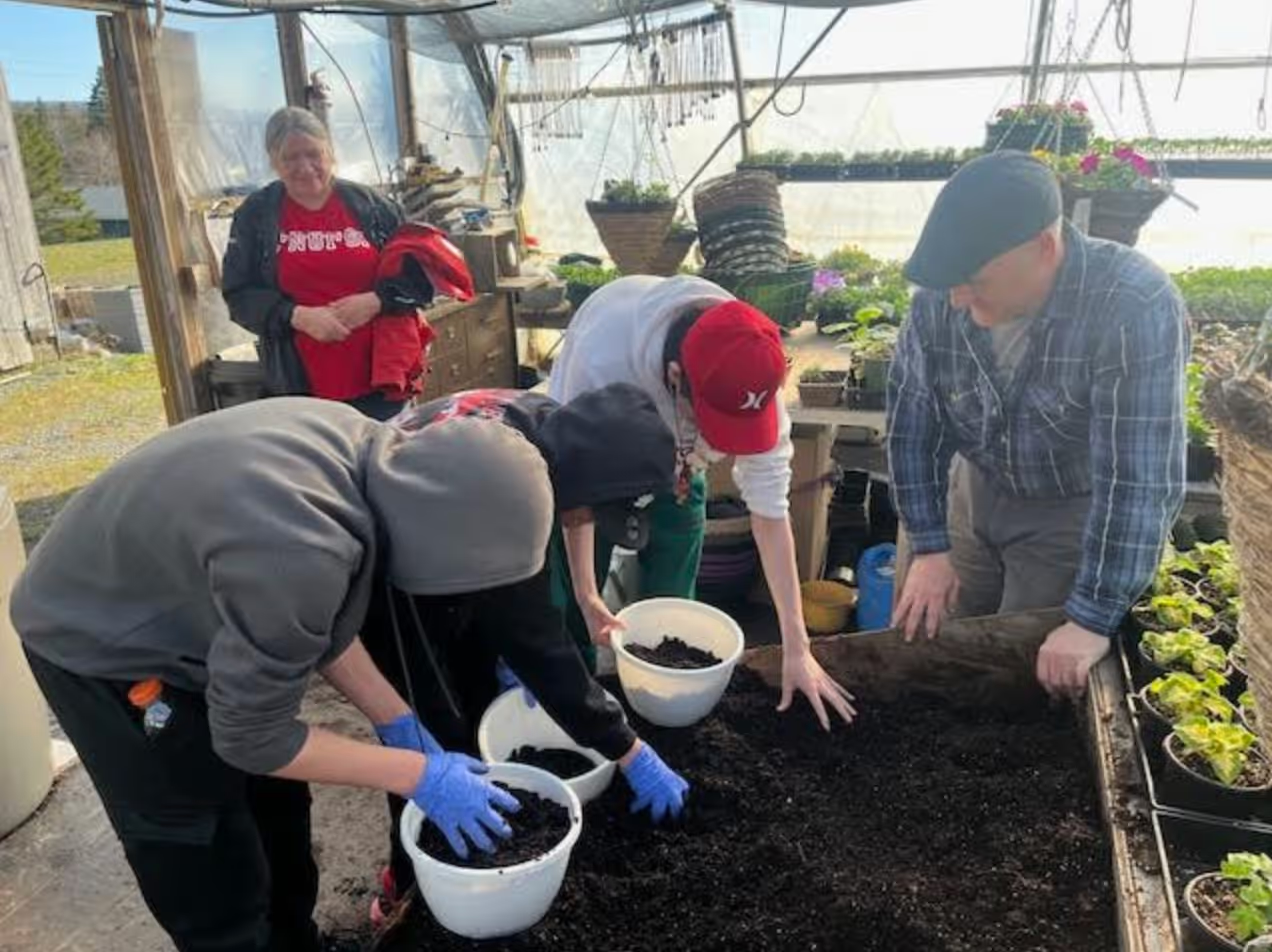
Across Nova Scotia, our Mi'kmaw schools have been embracing a powerful shift in education: taking learning beyond the walls of the classroom and back onto the land.
Known as Land-and-Sea-Based Learning, this growing movement helps reconnect our students with the ways our ancestors once learned — through observation, participation, storytelling, and hands-on experience in the natural world.
For generations, learning did not happen at desks under fluorescent lights. It happened in forests, on shorelines, along rivers, around fires, and through everyday life. Land and Sea-Based Learning helps restore that balance by bringing education back into the places where knowledge was traditionally lived and shared.
The approach is often guided by the seasons of the school year.
In the fall, students may learn fishing practices, gather birch bark for basket weaving or wigwam construction, or identify natural medicines found on the land.
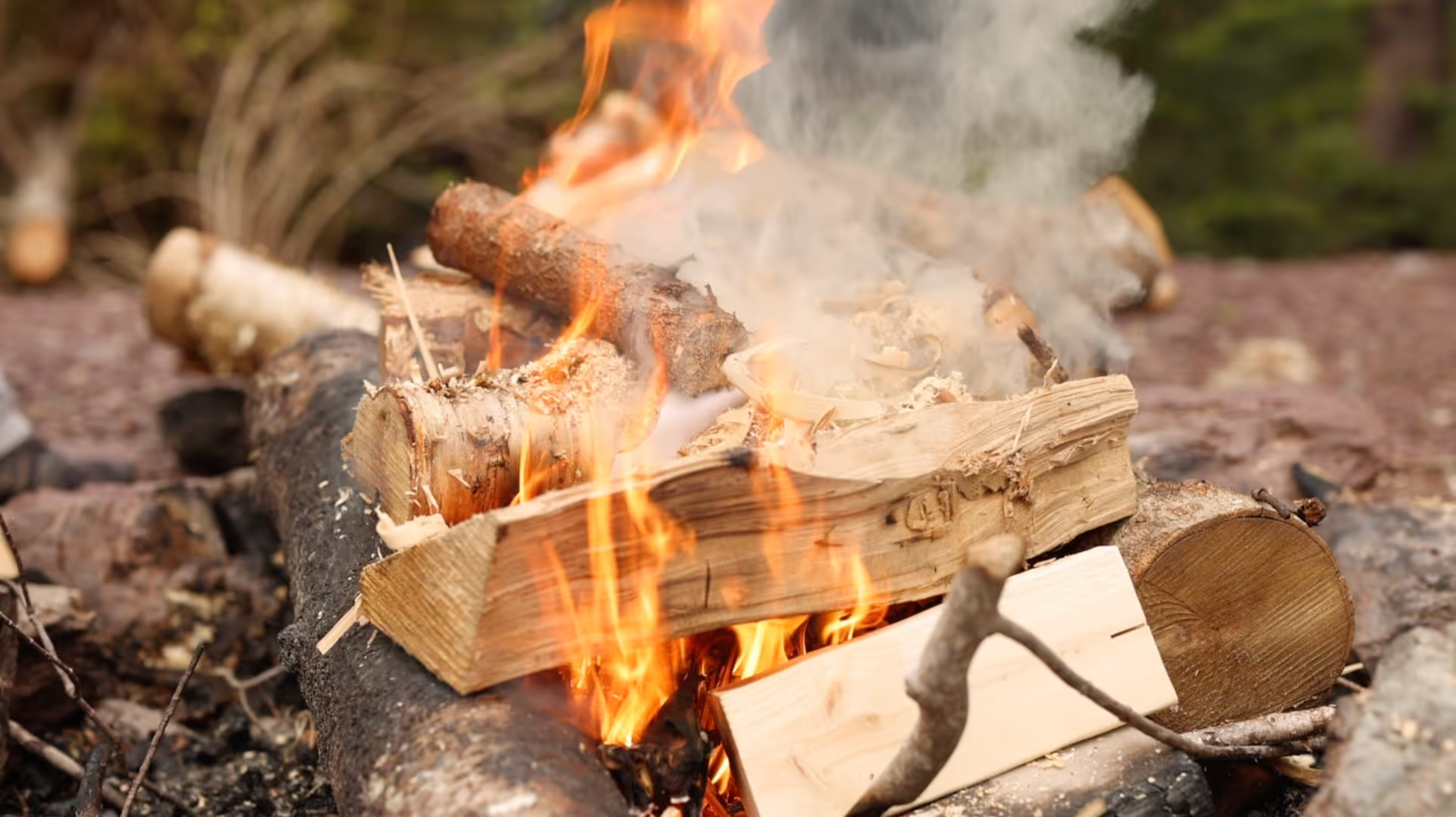
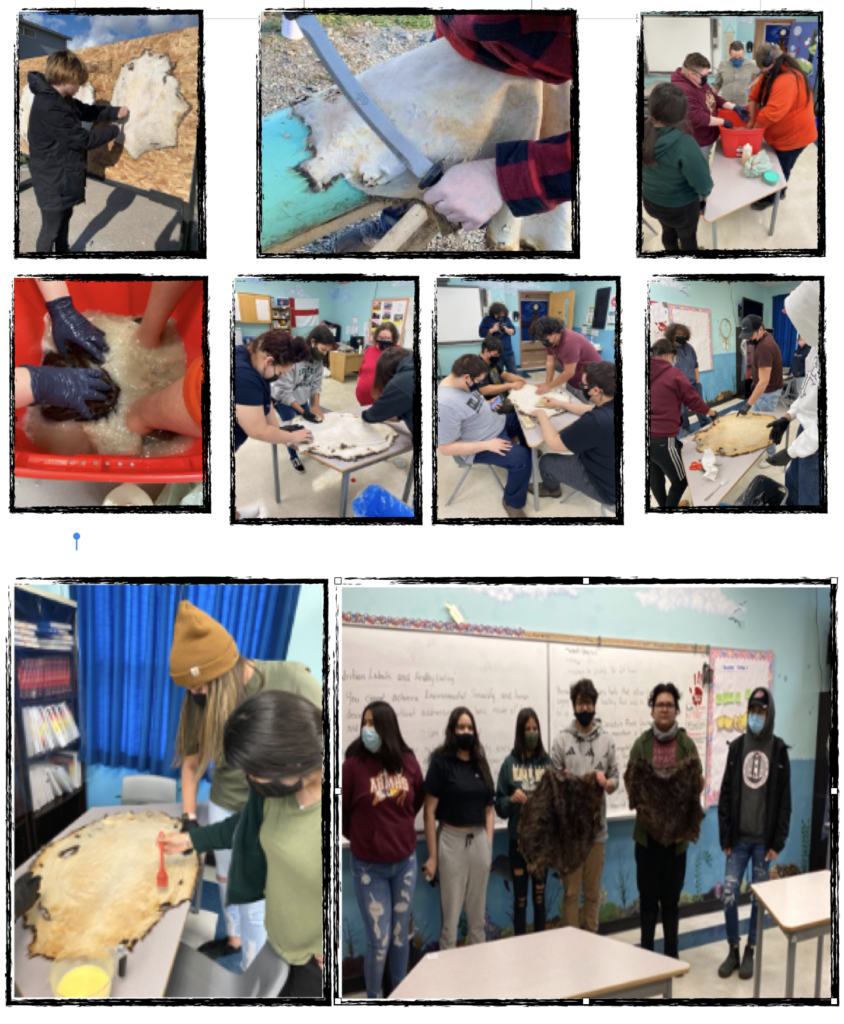
In winter, learning may include preparing hides or furs, ice fishing, safely building fires, or understanding how every harvested resource was traditionally used with respect and purpose.
In spring, students might tap maple trees to make syrup, study returning plant life, or craft bows and arrows connected to hunting traditions.
In any season, students may also explore Mi’kmaw art forms such as carving, beading, painting, and other cultural expressions tied to the land.
In many cases, this sort of education exposes students to new possibilities and even possible outdoor-based careers.
But the outcomes go far beyond practical skills.
Land and Sea-Based Learning creates space for our students to deepen their connection to identity, community knowledge, and language. Instructors often weave Mi’kmaw words, conversation, and oral history naturally into the day, allowing the language to be heard in the places it once lived most fully.

Terry Bernard, a pioneer and longtime advocate of this movement from Potlotek First Nation, explains it simply:
“When you’re outside and connecting with the land, hunting or trapping, gathering — you’re speaking while you do it. That’s how everyone really learns to speak as a child.”
He reflects that growing up, language came through use, not worksheets.
“All we did was just use the language. We didn’t write in it, we just spoke it.”
That philosophy shapes how many educators approach outdoor learning today. Often, it starts with something simple.
“When we do outdoor education, often it starts with starting a fire. We teach here, we gather here, we cook, and whatever else we need to do outside. It’s much different than being inside.”
Terry also notes that these settings can create stronger human connections between educators and students. Outside the structure of a classroom, teachers often have more space to truly know their students — sometimes one-on-one, sometimes simply by being present.
At its heart, Land & Sea-Based Learning is built on a simple truth: our young people were never meant to spend all of their learning years disconnected from nature. They were meant to move, explore, create, and grow under open skies.
Sometimes the best classroom has no walls at all.
.avif)

.avif)